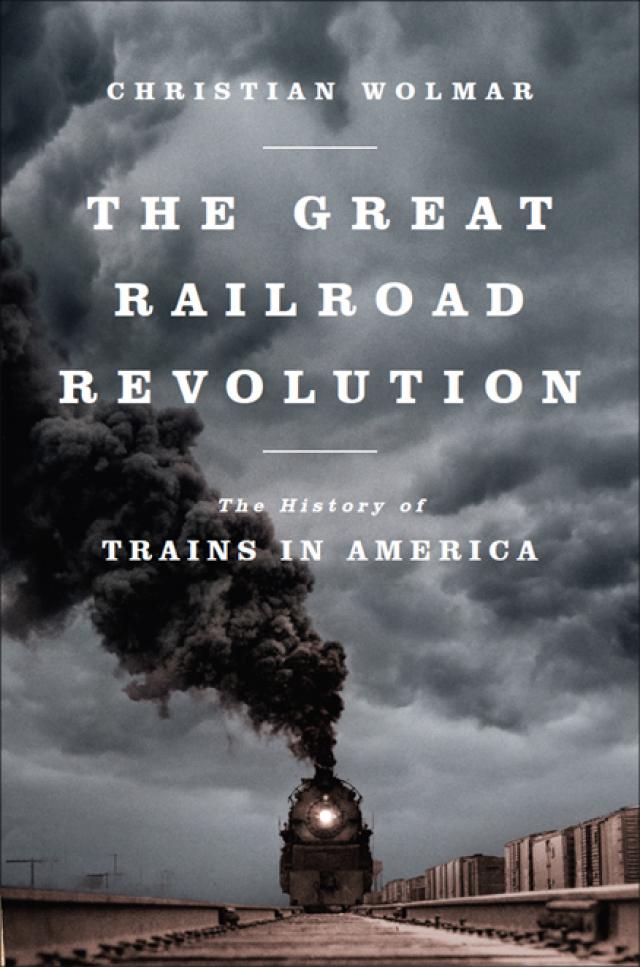
The Great Railroad Revolution

The Great Railroad Revolution

Christian Wolmar

Christian Wolmar

America was made by the railroads. The opening of the Baltimore & Ohio line––the first American railroad––in the 1830s sparked a national revolution in the way that people lived thanks to the speed and convenience of train travel. Promoted by visionaries and built through heroic effort, the American railroad network was bigger in every sense than Europe’s, and facilitated everything from long-distance travel to commuting and transporting goods to waging war. It united far-flung parts of the country, boosted economic development, and was the catalyst for America’s rise to world-power status.Every American town, great or small, aspired to be connected to a railroad and by the turn of the century, almost every American lived within easy access of a station. By the early 1900s, the United States was covered in a latticework of more than 200,000 miles of railroad track and a series of magisterial termini, all built and controlled by the...
Read online
  • 69
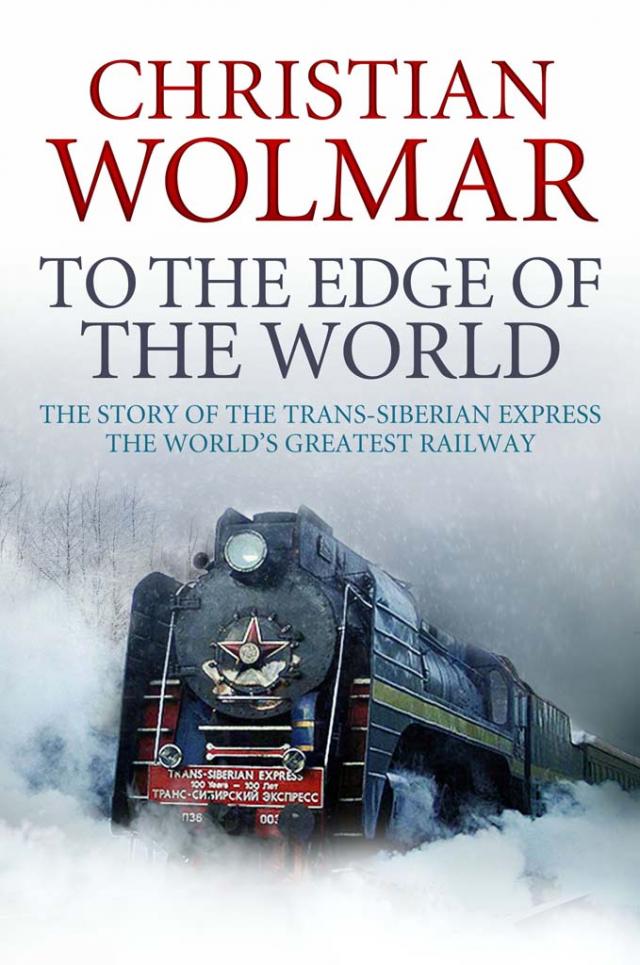
To the Edge of the World

To the Edge of the World

Christian Wolmar

Christian Wolmar

It is the world's longest railway line. But it is so much more than that, too. The Trans-Siberian stretches nearly 6,000 miles between Moscow and Vladivostok on the Pacific Coast and was the most ambitious railway project in the nineteenth century. A journey on the railway evokes a romantic roam through the Russian steppes, but also reminds travellers of the vastness of our world and hints at the hardships that were endured in its construction.Christian Wolmar expertly tells the story of the Trans-Siberian railway from its conception and construction under Tsar Alexander III, to the northern extension ordered by Brezhnev and its current success as a vital artery. He also explores the crucial role the line played in both the Russian Civil War -Trotsky famously used an armoured carriage as his command post - and the Second World War, during which the railway saved the country from certain defeat. Like the author's previous railway histories, it focuses on the...
Read online
  • 55
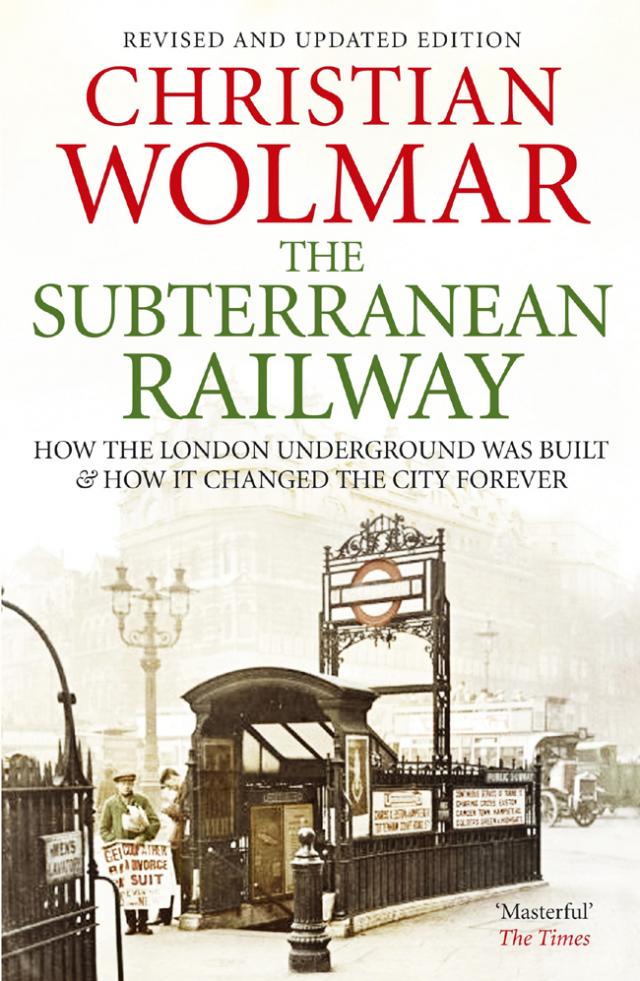
The Subterranean Railway

The Subterranean Railway

Christian Wolmar

Christian Wolmar

Since the Victorian era, London's Underground has had played a vital role in the daily life of generations of Londoners. In The Subterranean Railway, Christian Wolmar celebrates the vision and determination of the nineteenth-century pioneers who made the world's first, and still the largest, underground passenger railway: one of the most impressive engineering achievements in history. From the early days of steam to electrification, via the Underground's contribution to twentieth-century industrial design and its role during two world wars, the story comes right up to the present with its sleek, driverless trains and the wrangles over the future of the system. The Subterranean Railway reveals London's hidden wonder in all its glory and shows how the railway beneath the streets helped create the city we know today.
Read online
  • 36
Fire and Steam

Fire and Steam

Christian Wolmar

Christian Wolmar

The opening of the pioneering Liverpool and Manchester Railway in 1830 marked the beginning of the railways' vital role in changing the face of Britain. Fire and Steam celebrates the vision and determination of the ambitious Victorian pioneers who developed this revolutionary transport system and the navvies who cut through the land to enable a country-wide network to emerge. From the early days of steam to electrification, via the railways' magnificent contribution in two world wars, the chequered history of British Rail, and the buoyant future of the train, Fire and Steam examines the social and economical importance of the railway and how it helped to form the Britain of today.
Read online
  • 23
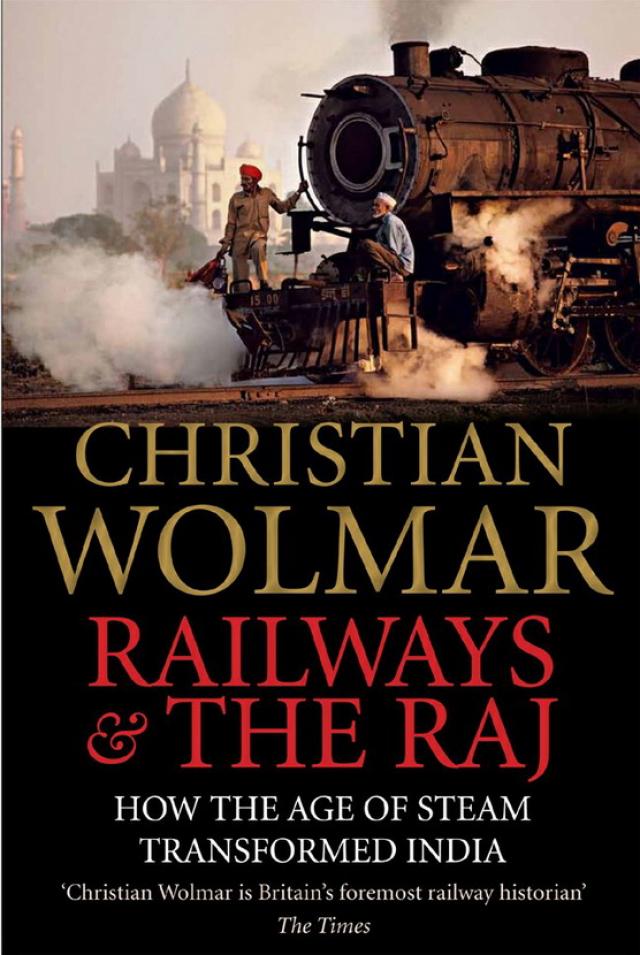
Railways and the Raj

Railways and the Raj

Christian Wolmar

Christian Wolmar

The epic story of the British construction of the railways in India, as told by Britain's bestselling transport historian.'Christian Wolmar is Britain's foremost railway historian.' The Times 'Our leading writer on the railways' Guardian 'Christian Wolmar is in love with railways... He is their wisest, most detailed historian' ObserverIndia was the jewel in the crown of the British Empire. There were vast riches to be exploited and vast numbers of people to be subjugated. How better to achieve these aims than by building a rail network that facilitated the export of raw material and made it easier for troops to travel around the country to tackle uprisings?India joined the railway age late: the first line was not completed until 1853 but, by 1929, 41,000 miles of track served the country. However, the creation of this vast network was not intended to modernize India for the sake of its people but...
Read online
  • 19
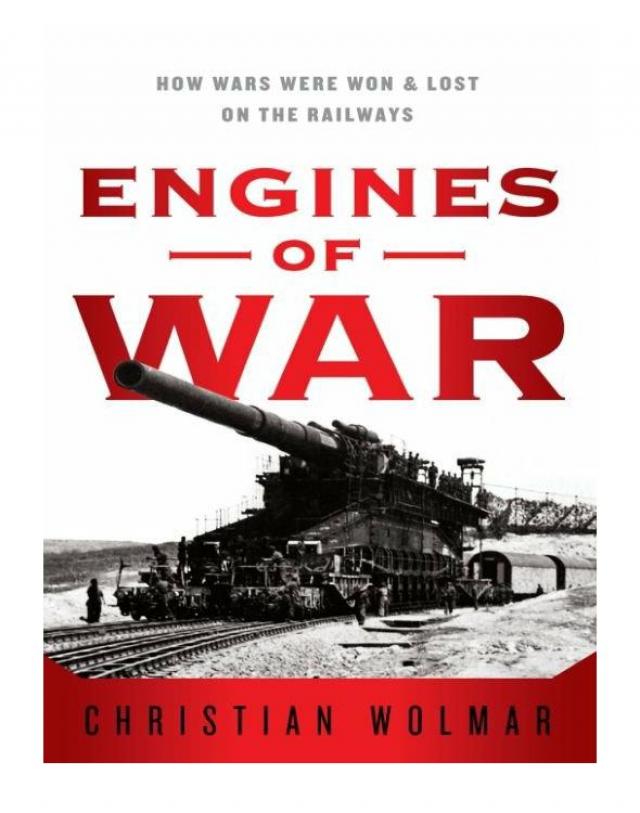
Engines of War

Engines of War

Christian Wolmar

Christian Wolmar

Before the nineteenth century, armies had to rely on slow and unreliable methods of transportation to move soldiers and equipment during times of conflict. But with the birth of the railroad in the early 1830s, the way wars were fought would change forever.In Engines of War, renowned expert Christian Wolmar tells the story of that transformation, examining all the engagements in which railways played a part from the Crimean War and American Civil War through both world wars, the Korean War, and the Cold War with its mysterious missile trains. He shows that the "iron road" not only made armies far more mobile, but also greatly increased the scale and power of available weaponry. Wars began to be fought across wider fronts and over longer timescales, with far deadlier consequences.From armored engines with their swiveling guns to track sabotage by way of dynamite, railway lines constructed across frozen Siberian lakes and a Boer war ambush involving Winston...
Read online
  • 18
183