Seven Poor Men of Sydney

Seven Poor Men of Sydney

Christina Stead

Christina Stead

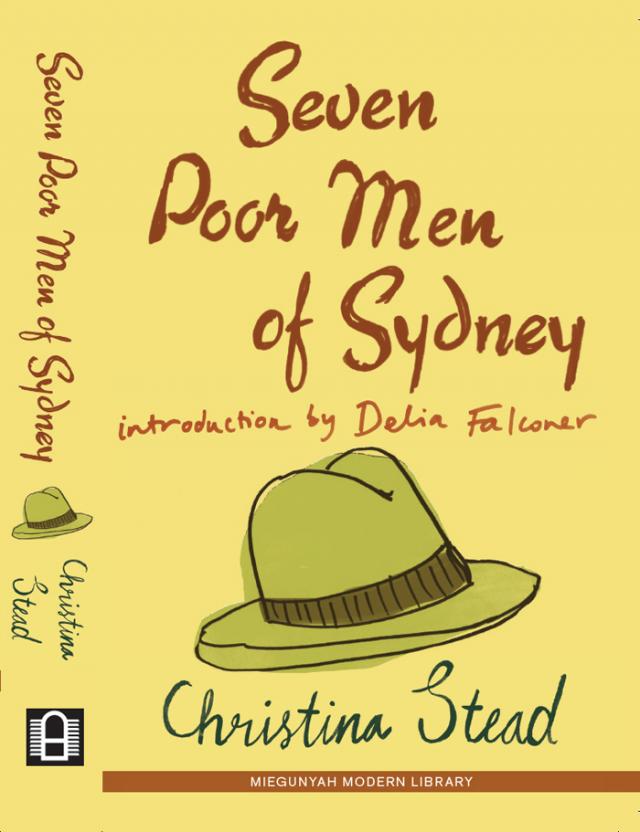
Seven Poor Men of Sydney is a brilliant portrayal of a group of men and women living in Sydney in the 1920s amid conditions of poverty and social turmoil.Set against the vividly drawn backgrounds of Fisherman's (Watson's) Bay and the innercity slums, the various characters seek to resolve their individual spiritual dilemmas; through politics, religion and philosophy.Their struggles, their pain and their frustrations are portrayed with consummate skill in this memorable evocation of a city and an era.
Read online
  • 65
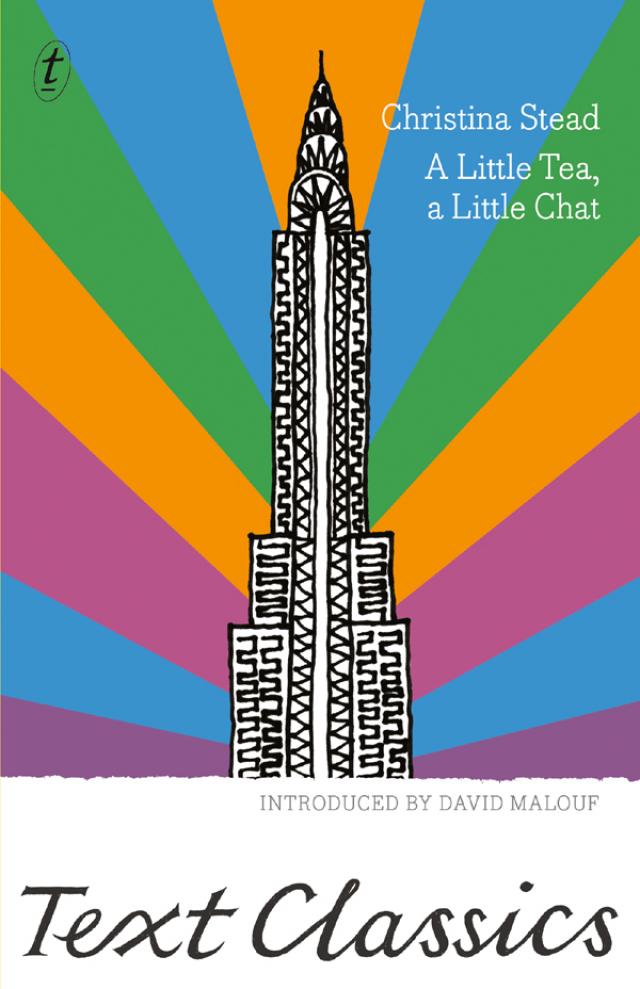
A Little Tea, a Little Chat

A Little Tea, a Little Chat

Christina Stead

Christina Stead

New York, on the cusp of World War II. Robert Grant, a middle-aged businessman, lives life by his own rules. His chief hobbies are moneymaking and seduction; he is always on the hunt for the next woman to beguile and betray. That is, until he meets his match: Barbara, the ‘blondine’, a woman he cannot best.A sardonic commentary on sexual relations and war as potent as when it was first published in 1948, A Little Tea, a Little Chat holds up a mirror to the corruption and cravenness of our late-capitalist moment.Christina Stead was born in 1902 in Sydney. Stead’s first books, The Salzburg Tales and Seven Poor Men of Sydney, were published in 1934 to positive reviews in England and the United States. Her fourth work, The Man Who Loved Children, has been hailed as a ‘masterpiece’ by Jonathan Franzen, among others. In total, Stead wrote almost twenty novels and short-story collections. Stead returned to Australia in 1969 after...
Read online
  • 64
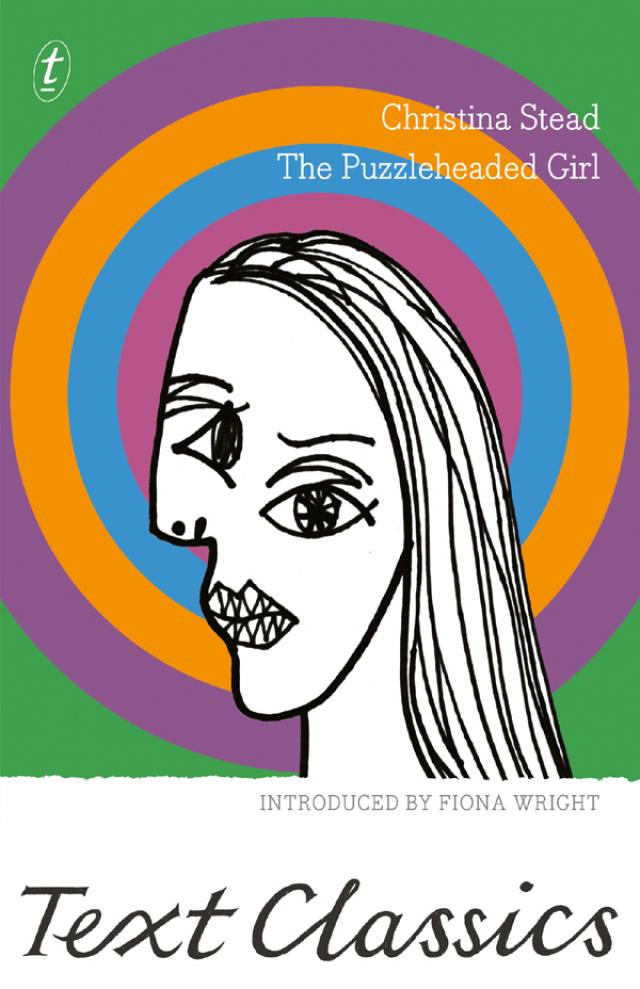
The Puzzleheaded Girl

The Puzzleheaded Girl

Christina Stead

Christina Stead

‘I hate and despise business and anything to do with making money.’‘Do you think it’s wrong?’‘It is the enemy of art.’Eighteen-year-old Honor Lawrence is out of place at the bank where she works. When she refuses to accept a promotion, despite her obvious poverty, her mentor, Augustus Debrett, doesn’t quite know what to make of it, or of her. Honor is an enigma—and she leaves confusion and uneasiness in her wake.In The Puzzleheaded Girl, made up of four thematically linked novellas, Stead’s unsurpassable skills of observation and social critique are on full display. Christina Stead was born in 1902 in Sydney. Stead’s first books, The Salzburg Tales and Seven Poor Men of Sydney, were published in 1934 to positive reviews in England and the United States. Her fourth work, The Man Who Loved Children, has been hailed as a ‘masterpiece’ by Jonathan Franzen, among others. In total,...
Read online
  • 61
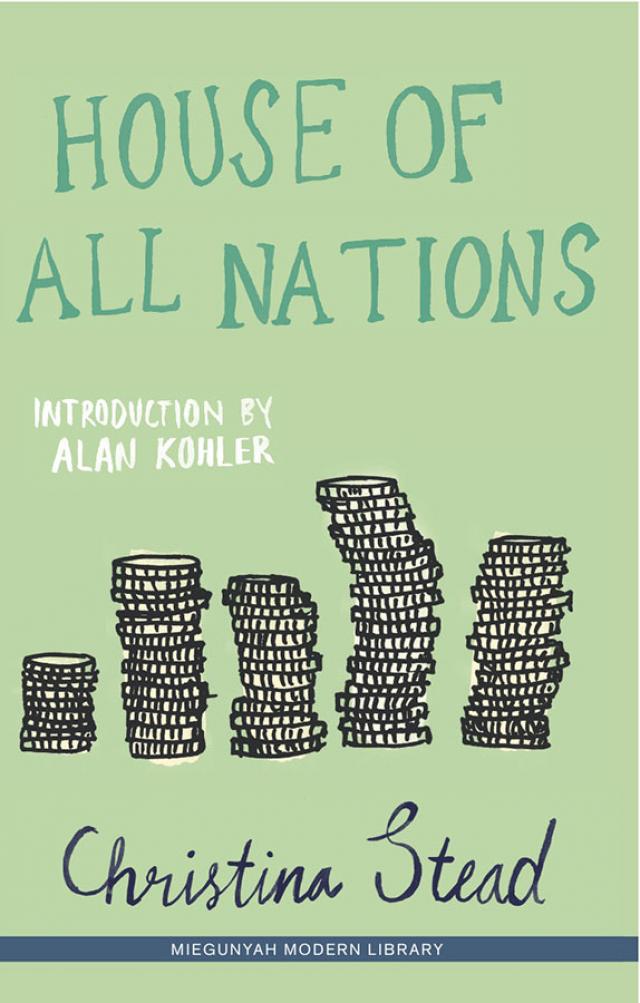
House of All Nations

House of All Nations

Christina Stead

Christina Stead

House of All Nations is Christina Stead?s 1938 gripping portrayal of financial world success. Set in an exclusive European bank in the heady days of the early thirties, Stead weaves a remarkable tale of greedy, devious and shady characters, all brought together by their love of money. The director of the bank, Jules Bertillon, leads these gamblers, crooks and prospectors on a treacherous journey navigating political and natural disasters, and using both to his advantage.House of All Nations has never been more relevant, as Stead?s remarkable work speaks loudly about the modern markets.
Read online
  • 54
The Man Who Loved Children

The Man Who Loved Children

Christina Stead

Christina Stead

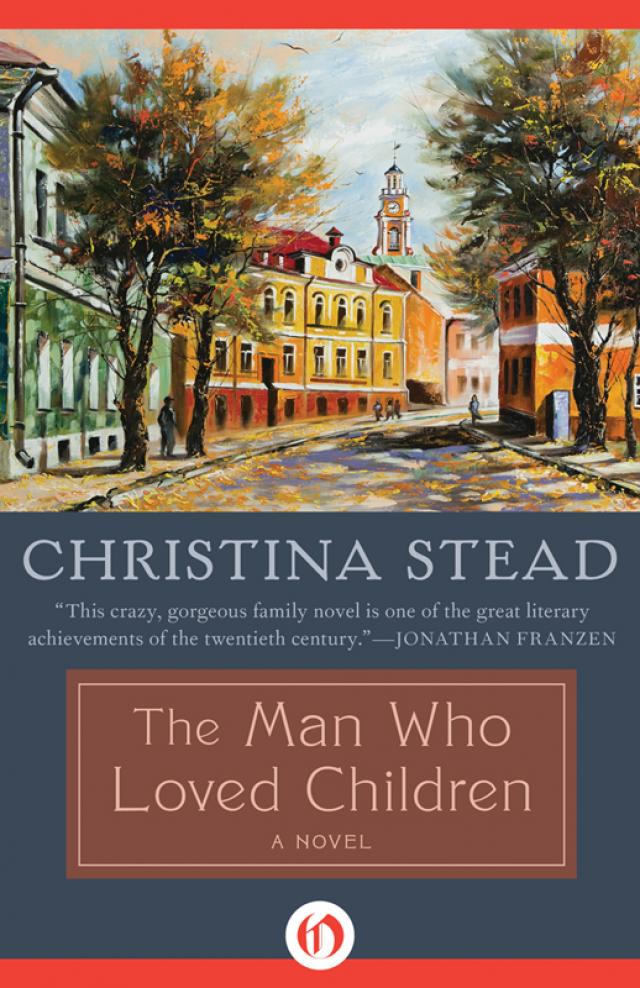
"This crazy, gorgeous family novel is one of the great literary achievements of the twentieth century. I carry it in my head the way I carry childhood memories; the scenes are of such precise horror and comedy that I feel I didn't read the book so much as live it." —Jonathan Franzen, author of FreedomThe Man Who Loved Children is a brutally honest examination of domestic life and family. Sam and Henny Pollit have too much—too much contempt for one another, too many children, too much strain under endless obligation. Flush with ego and a chilling domestic power, Sam torments his children, bending and manipulating their seemingly limitless love to his overbearing advantage, while Henny looks on desperately,  all too aware of the madness at its root. A favorite novel of Jonathan Franzen and Randall Jarrell, among many others, The Man Who Loved Children stands as Christina Stead's masterwork.
Read online
  • 50
The Beauties and Furies

The Beauties and Furies

Christina Stead

Christina Stead

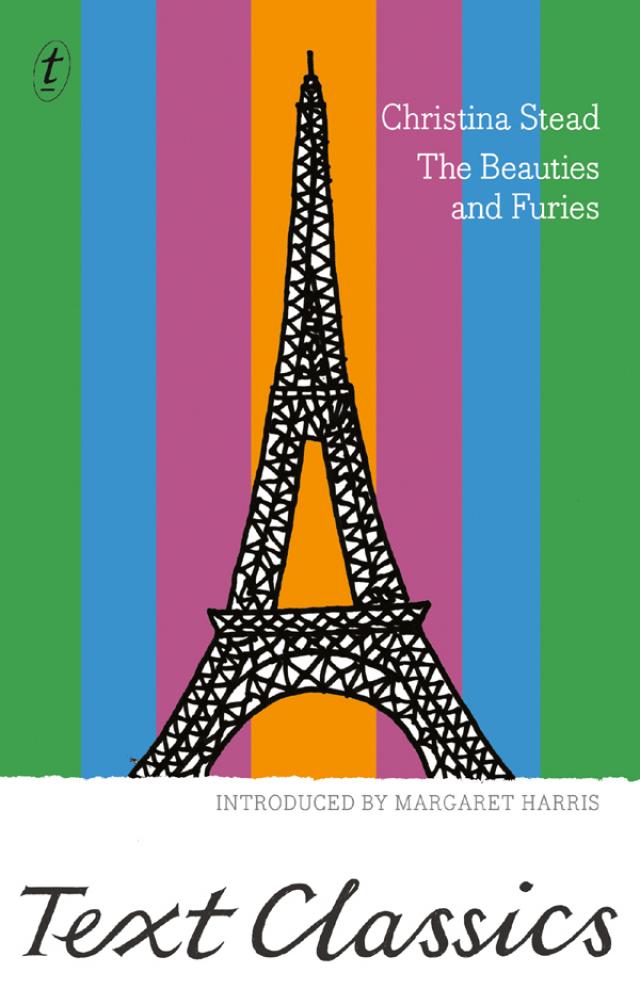
It is 1934, and Elvira Western has left London and her dull marriage to Paul, a doctor, for Paris and her waiting lover, Oliver, a student radical. But drab hotels and interminable discussions of politics are not her idea of romance, and soon Elvira is wishing she could leave the city of ‘many beauties—and furies’, and return home... Christina Stead’s second novel dramatises a love triangle against a backdrop of political upheaval. Its publication in 1936 prompted a writer for the New Yorker to call Stead the ‘most extraordinary woman novelist’ since Virginia Woolf.Christina Stead was born in 1902 in Sydney. Stead’s first books, The Salzburg Tales and Seven Poor Men of Sydney, were published in 1934 to positive reviews in England and the United States. Her fourth work, The Man Who Loved Children, has been hailed as a ‘masterpiece’ by Jonathan Franzen, among others. In total, Stead wrote almost twenty novels and short-story...
Read online
  • 44
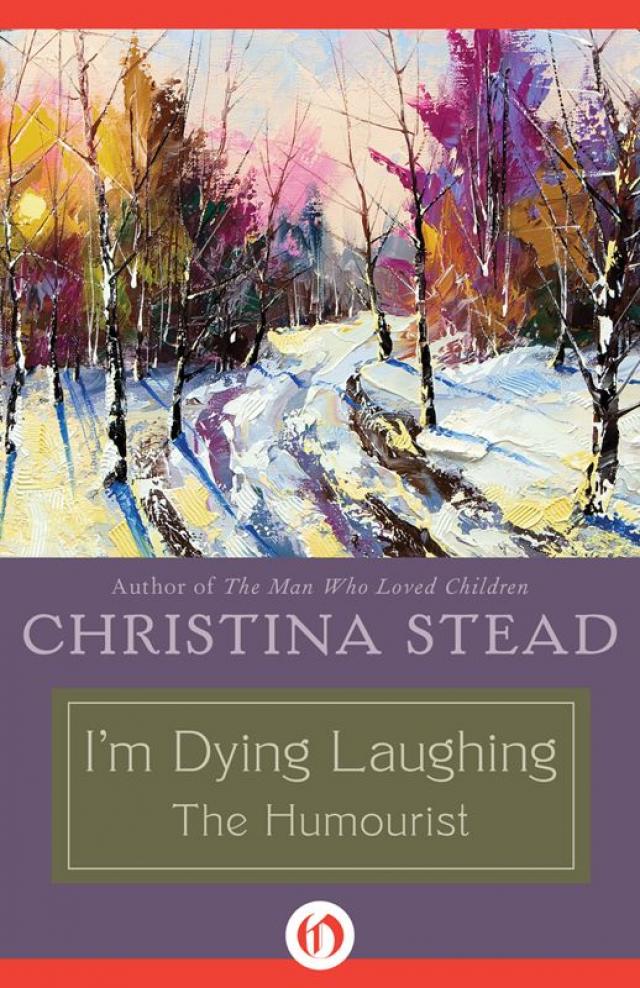
I'm Dying Laughing

I'm Dying Laughing

Christina Stead

Christina Stead

Christina Stead's unforgettable final novel—a profound examination of love and radicalism during the McCarthy eraIn the wake of the Great Depression, Emily Wilkes, a young American journalist, travels to a Europe still scarred by World War I. During her crossing, she meets Stephen Howard, a charismatic and wealthy Communist who quickly converts Emily to his ideals when the two become lovers. Upon their return to the States, they marry and settle into a comfortable life in Hollywood as darlings of the American left. Emily shines as a screenwriter and novelist while Stephen dedicates himself to the Party line—but their radicalism soon finds them out of favor and retreating to Paris, where they tragically and bitterly unravel. Published posthumously by Christina Stead's literary executor professor Ron Geering, I'm Dying Laughing is an unflinching look at political faith and romantic attachment.
Read online
  • 35
For Love Alone

For Love Alone

Christina Stead

Christina Stead

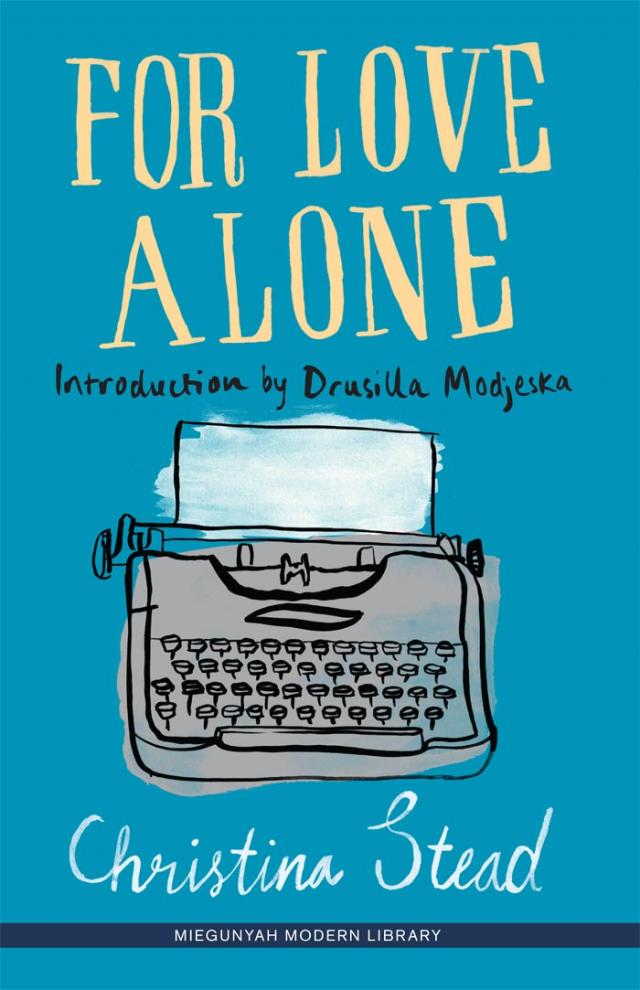
'In the harbour city's steamy, fecund heat, the air is thick with thwarted longing, the people on the tram smell like foxes, and the girls with their glossy hair talk of hope chests and fight down the dread of being left on the shelf.' from the Introduction by Drusilla ModjeskaSuperbly evoking life in Sydney and London in the 1930s, For Love Alone is the story of the intelligent and determined Teresa Hawkins, who believes in passionate love and yearns to experience it. She focuses her energy on Jonathan Crow, an unlikeable and arrogant man whom she follows to London after four long years of working in a factory and living at home with her loveless family. Reunited with Crow in London, she begins to realise that perhaps he is not as worthy of her affections as originally thought.
Read online
  • 31
Letty Fox

Letty Fox

Christina Stead

Christina Stead

One hot night last spring, after waiting fruitlessly for a call from my then lover, with whom I had quarreled the same afternoon, and finding one of my black moods on me, I flung out of my lonely room on the ninth floor (unlucky number) in a hotel in lower Fifth Avenue and rushed into the streets of the Village, feeling bad.Letty Fox: Her Luck, Christina Stead's sixth novel, was first published in New York in 1946, and banned in Australia for its salaciousness. Set in wartime Manhattan and told in Letty's own spiky and exuberant voice, the novel follows her successes and failures in the game of 'being somebody'. Letty's tireless pursuit of love and sex provides the setting for Stead's brilliant satire of marriage, desire and the conventions that surround them.
Read online
  • 29
The Salzburg Tales

The Salzburg Tales

Christina Stead

Christina Stead

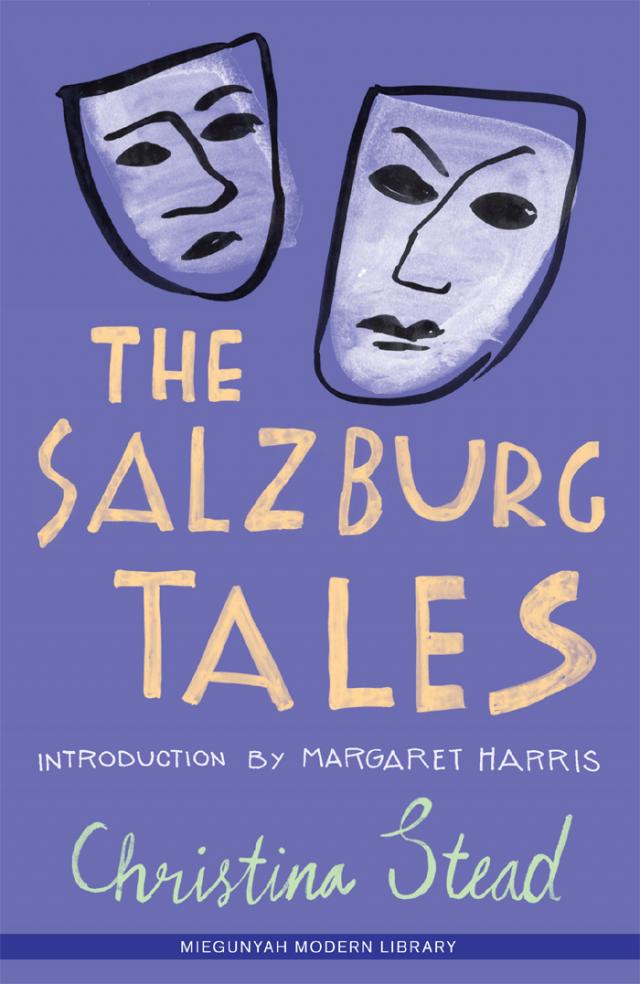
A group of visitors to the Salzburg Festival, brought together by chance, decides to mark time by telling tales. Their fantasies, legends, tragedies, jokes and parodies come together as The Salzburg Tales.Dazzling in their richness and vitality, the tales are grounded in Christina Stead's belief that 'the story is magical . what is best about the short story [is] it is real life for everyone; and everyone can tell one'. Originally published eighty years ago, these are thoroughly modern stories that invite comparison with Boccaccio's Decameron and Chaucer's The Canterbury Tales. The Salzburg Tales are published here with a new introduction by Margaret Harris, Challis Professor of English Literature Emerita at the University of Sydney, and literary executor for Christina Stead.
Read online
  • 27
155