Operation Plunder: The British and Canadian Operations

Operation Plunder: The British and Canadian Operations

Tim Saunders

Tim Saunders

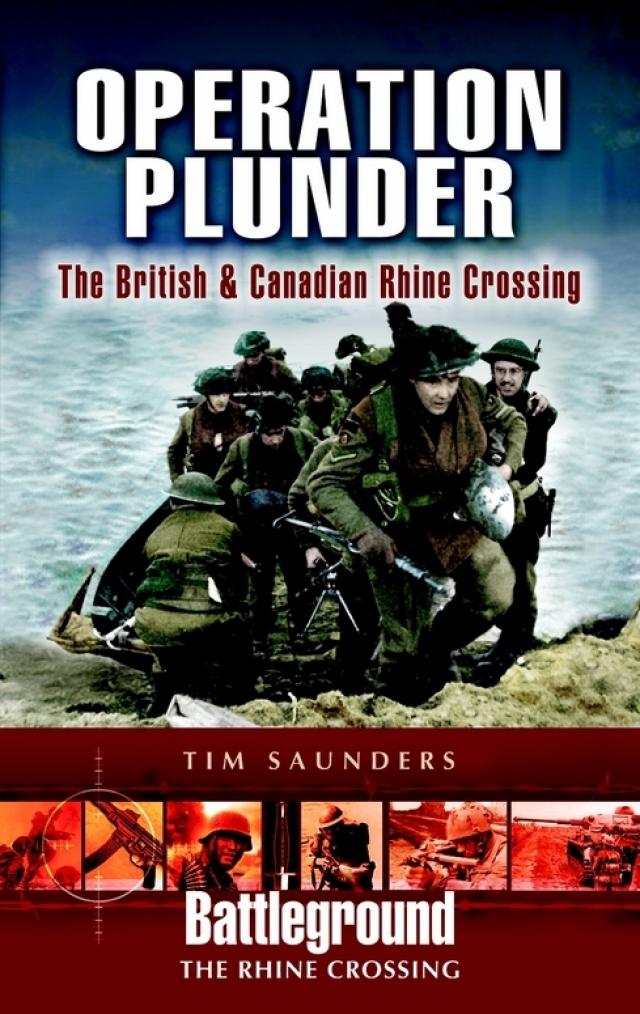
By late March 1945, Second British Army and Ninth US Army were poised to carry out an assault crossing of the Rhine. In the British part of the operations, Montgomery’s best assault divisions were assembled to carry out the British and Canadian part of the attack between Emmerich and Wesel. A commando brigade and two Scottish divisions carried out the initial assault under cover of darkness and a tremendous bombardment on the evening of 23rd March. Despite the best efforts of the German first Parachute Army they had established a bridgehead by dawn. During the following morning 6th British Airborne Division dropped around Hamminkeln, in the immediate rear of the Germans, in an operation codenamed VARSITY. By 27 March, after some heavy combat, the Allies were prepared to launch their final drive to the Baltic. The Rhine crossing, though by no means the final battle, sealed the fate of Nazi Germany.ReviewLavished with photographs, maps and veterans accounts, this is a concise, thorough and eminently readable description of Field Marshal Montgomery's assault crossing of the Rhine on the 23rd March 1945, with two British and two American divisions carrying out what would be the last set-piece battle of the Second World War. Tim Saunders first describes the difficult advance on the Rhine, the preparations undertaken by both sides, and the various phases of the British crossings; beginning with the bloody diversionary attack by the 51st Highland Division around Rees, the capture of Wesel by the 1st Commando Brigade, and the main crossing by the 15th Scottish Division who were to relieve the Airborne troops further inland. The battle to secure the Diersfordterwald and the bridges over the River Issel by the 6th British and 17th US Airborne Divisions is also included, though in less detail as this is a separate subject in its own right, one indeed which is covered by Tim Saunders in another book in the series; Operation Varsity. Mark Hickman - Pegasus Archive 
Read online
  • 68
Dieppe: Operation Jubilee - Channel Ports

Dieppe: Operation Jubilee - Channel Ports

Tim Saunders

Tim Saunders

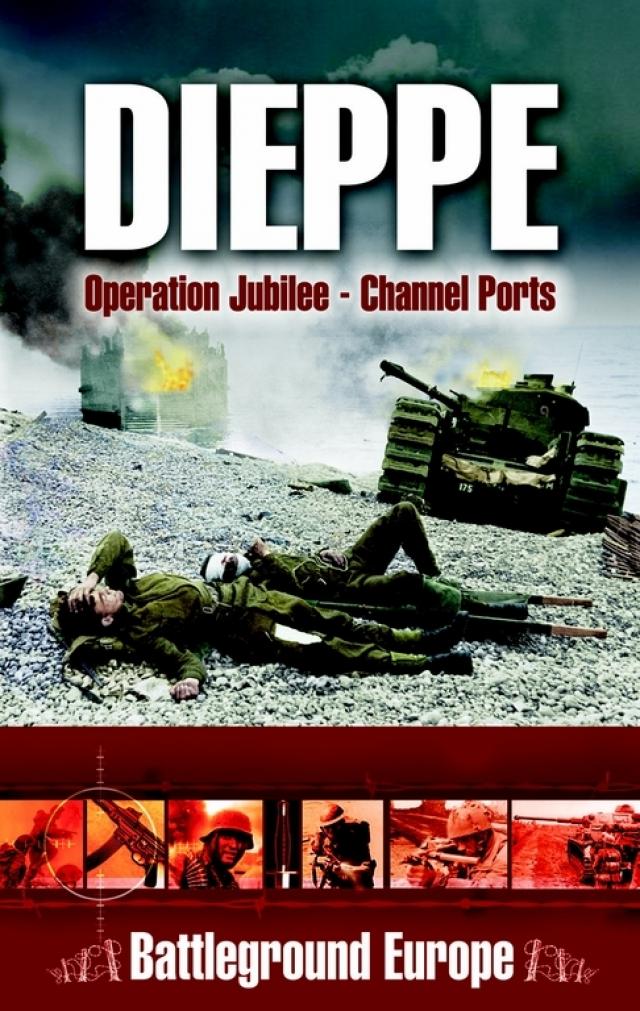
In 1942, with the outcome of the war very much in the balance, there was a pressing need for military success on mainland Europe. Churchill ordered Admiral Lord Mountbatten's Combined Operations HQ to take the war to the Germans. The Canadians were selected for the Dieppe raid, which, while a morale raiser, was a disaster. Over 3,000 men were lost. This authoritative account looks at the planning, execution and analyses the reasons for failure.
Read online
  • 53
Hill 112_The Battle of the Odon

Hill 112_The Battle of the Odon

Tim Saunders

Tim Saunders

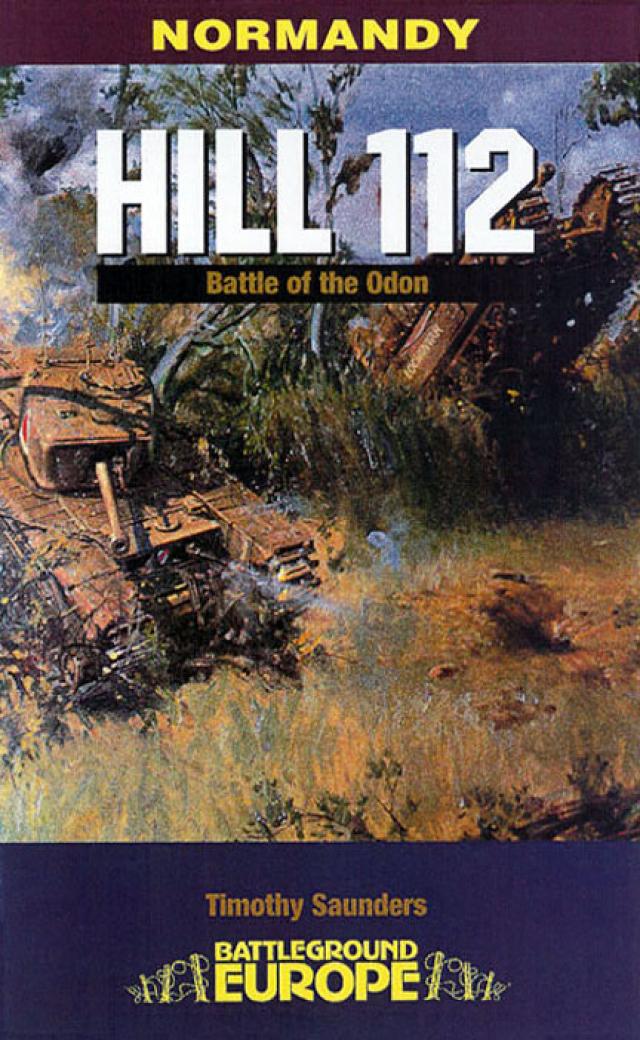
Over a month after the D-Day landings the Allies were still confined to the Normandy peninsula. The German line was anchored by the medieval town of Caen, which the British were supposed to have occupied on D-Day. The key to capturing Caen was Hill 112, known to the Germans as "Kalverienberg" (or "Mount Calvary"). Under pressure from Churchill, Montgomery launched a major offensive. Unfortunately, German reinforcements delayed by Allied bombing were now arriving in the Caen area. The British found themselves facing no less than four SS divisions, the 1st, 2nd, 9th and 10th and the Tigers of the 502nd SS Heavy Panzer Regiment. An all-out Allied effort, including heavy bombers and naval bombardment, was required to secure the final victory. This new addition to the Battleground Europe series details all the action around Hill 112. Numerous illustrations and maps complement the lively text.
Read online
  • 44
Dieppe_Operation Jubilee_Channel Ports

Dieppe_Operation Jubilee_Channel Ports

Tim Saunders

Tim Saunders

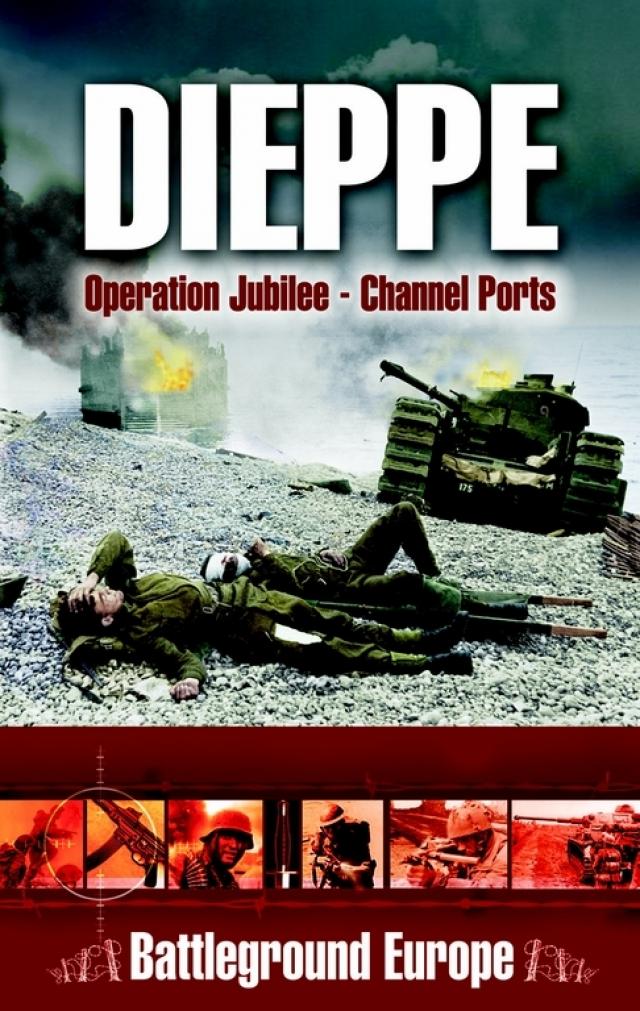
In 1942, with the outcome of the war very much in the balance, there was a pressing need for military success on mainland Europe. Churchill ordered Admiral Lord Mountbatten's Combined Operations HQ to take the war to the Germans. The Canadians were selected for the Dieppe raid, which, while a morale raiser, was a disaster. Over 3,000 men were lost. This authoritative account looks at the planning, execution and analyses the reasons for failure.
Read online
  • 14
183